

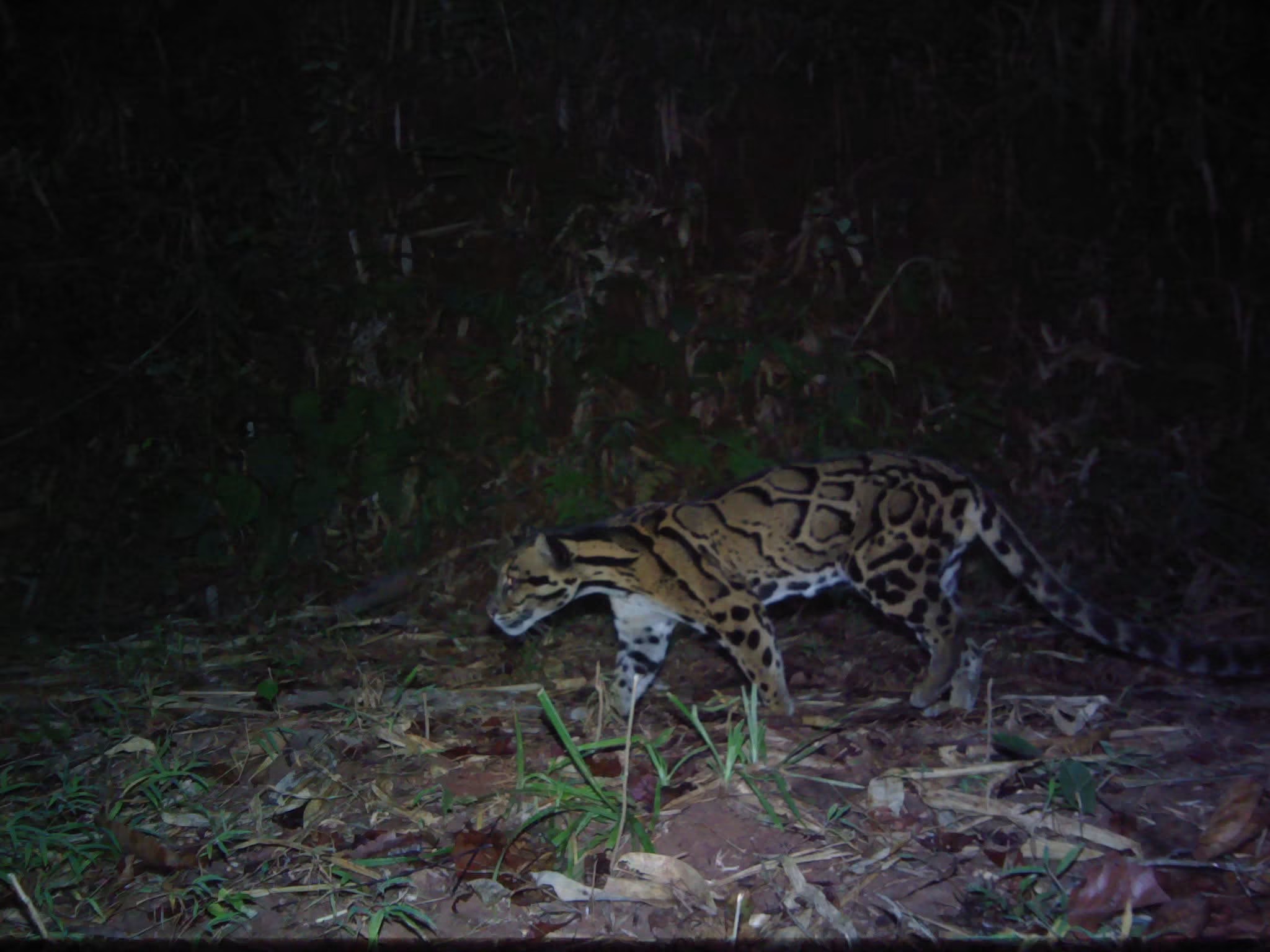
On 4 August, coinciding with International Clouded Leopard Day, the Government of Meghalaya launched Mission Clouded Leopard, a dedicated conservation programme aimed at protecting the Clouded Leopard (Neofelis nebulosa), the State Animal of Meghalaya.
The initiative marks a significant step towards strengthening biodiversity conservation in the state. It focuses on safeguarding the clouded leopard’s habitat, improving scientific research, enhancing protection measures, involving local communities, and creating public awareness about wildlife conservation.
The mission will be implemented under the guidance of the Meghalaya Clouded Leopard Action Plan, which is currently being prepared by the Forest and Environment Department, Government of Meghalaya.
Why is the Clouded Leopard Important?
The Clouded Leopard (Neofelis nebulosa) is one of Asia’s most elusive wild cats. It is known for its distinctive cloud-shaped markings, exceptional climbing ability, and largely nocturnal behaviour. The species plays an important ecological role as a top predator, helping maintain the balance of forest ecosystems.
It is currently classified as Vulnerable on the IUCN Red List, indicating that it faces a high risk of extinction in the wild. In India, it receives the highest legal protection under Schedule I of the Wild Life (Protection) Act, 1972.
Distribution in Meghalaya
The clouded leopard is found in several important forest landscapes of Meghalaya, including:
- Nokrek Biosphere Reserve
- Balpakram National Park
- Baghmara Forest Division
- Narpuh Wildlife Sanctuary
- Nongkhyllem Wildlife Sanctuary
- Community-managed forests
Key Components of Mission Clouded Leopard
The mission includes:
- Habitat protection and restoration
- Scientific research and long-term monitoring
- Strengthening anti-poaching and protection measures
- Improving landscape connectivity
- Capacity building of frontline forest staff
- Community participation in conservation
- Public awareness and environmental education
Scientific Findings
An ongoing scientific assessment has identified 21 individual Clouded Leopards in the Balpakram landscape. These are preliminary findings. The survey will now be expanded to all major habitats across Meghalaya to prepare the first comprehensive population estimate of the State Animal.
Practice MCQs
1. Mission Clouded Leopard was launched by the Government of Meghalaya on the occasion of:
A. World Wildlife Day
B. International Tiger Day
C. International Clouded Leopard Day
D. World Environment Day
Answer: C
Explanation: Mission Clouded Leopard was officially launched on International Clouded Leopard Day to strengthen conservation efforts for Meghalaya’s State Animal.
2. The Clouded Leopard (Neofelis nebulosa) is currently classified as:
A. Endangered
B. Critically Endangered
C. Vulnerable
D. Near Threatened
Answer: C
Explanation: According to the IUCN Red List, the Clouded Leopard is classified as Vulnerable.
3. Under the Wild Life (Protection) Act, 1972, the Clouded Leopard receives protection under:
A. Schedule II
B. Schedule III
C. Schedule IV
D. Schedule I
Answer: D
Explanation: Schedule I provides the highest level of legal protection to wildlife species in India.
4. Which of the following is NOT one of the major habitats of the Clouded Leopard in Meghalaya?
A. Balpakram National Park
B. Nokrek Biosphere Reserve
C. Nongkhyllem Wildlife Sanctuary
D. Keibul Lamjao National Park
Answer: D
Explanation: Keibul Lamjao National Park is located in Manipur, whereas the other three are in Meghalaya.
5. According to the preliminary scientific assessment under Mission Clouded Leopard, how many individual Clouded Leopards have been identified in the Balpakram landscape?
A. 12
B. 21
C. 35
D. 50
Answer: B
Explanation: The ongoing assessment has so far identified 21 individual Clouded Leopards in the Balpakram landscape. The survey will be expanded across the state to estimate the total population.
Facts to Remember
| Topic | Fact |
|---|---|
| State Animal of Meghalaya | Clouded Leopard (Neofelis nebulosa) |
| IUCN Status | Vulnerable |
| Legal Protection | Schedule I, Wild Life (Protection) Act, 1972 |
| Conservation Initiative | Mission Clouded Leopard |
| Action Plan | Meghalaya Clouded Leopard Action Plan |
| Preliminary Population | 21 individuals (Balpakram landscape) |
| Important Habitats | Nokrek, Balpakram, Baghmara, Narpuh, Nongkhyllem & community forests |
| Launch Occasion | International Clouded Leopard Day |
| Implementing Department | Forest and Environment Department, Government of Meghalaya |