

Gujarat Reports Fresh Chandipura Virus Outbreak: 22 Child Deaths, 35 Confirmed Cases
Why in News?
Gujarat has reported a fresh outbreak of Chandipura Virus (CHPV), resulting in 22 child deaths and 35 laboratory-confirmed cases out of 184 suspected infections. The outbreak has prompted the Gujarat Government to issue a fresh health advisory and intensify surveillance, vector-control measures, and emergency medical response across affected districts.
The outbreak has once again highlighted the public health threat posed by the Chandipura virus, particularly among children below 15 years of age, who are the most vulnerable to severe infection.
What is Chandipura Virus (CHPV)?
Chandipura Virus (CHPV) is a vector-borne RNA virus belonging to the genus Vesiculovirus of the family Rhabdoviridae.
The virus was first identified in 1965 from Chandipura village in Maharashtra’s Nagpur district, from which it derives its name. Since then, outbreaks have been reported mainly in western, central and parts of southern India.
Mode of Transmission
The virus is transmitted primarily through the bite of infected:
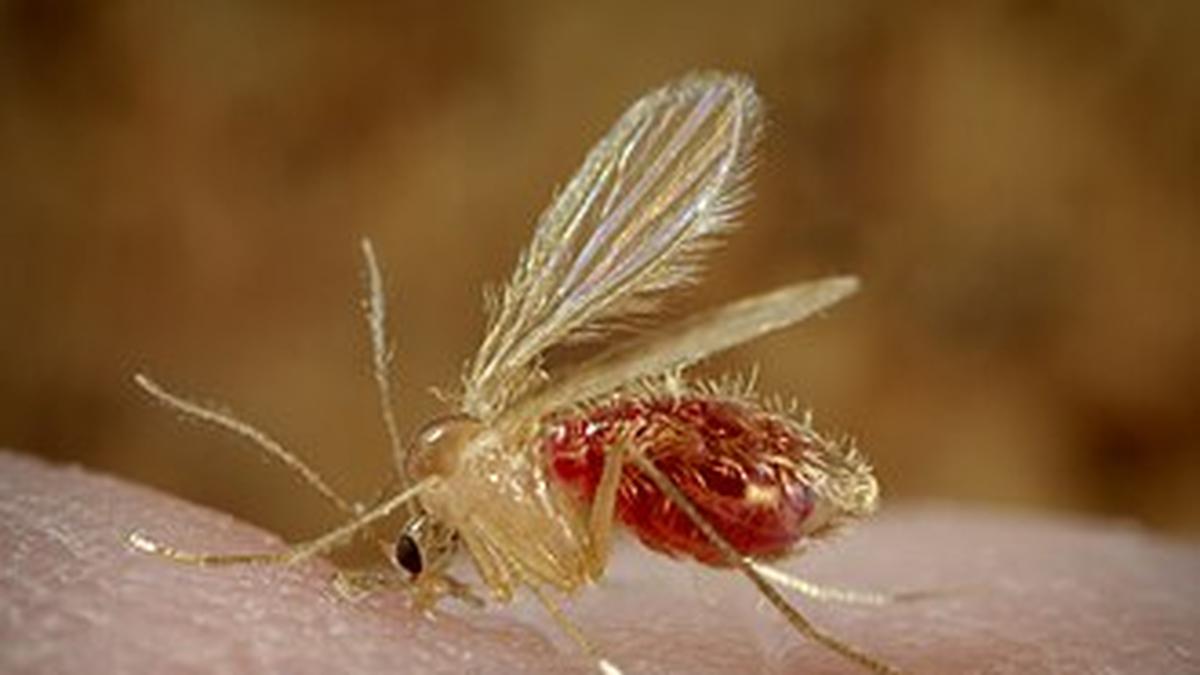
- Sandflies (Phlebotomine sandflies) – principal vector
- Mosquitoes (suspected secondary vectors)
- Ticks (occasionally implicated)
There is no evidence of human-to-human transmission. Outbreaks are generally reported during the monsoon season, when vector populations increase.
Symptoms
The disease progresses rapidly, especially in children.
Early Symptoms
- High fever
- Headache
- Vomiting
- Weakness
- Muscle pain
Severe Symptoms
- Convulsions (seizures)
- Altered consciousness
- Acute encephalitis (brain inflammation)
- Coma
- Multi-organ failure
- Death
The disease can become fatal within 24–48 hours after the onset of neurological symptoms if treatment is delayed.
Why are Children More Vulnerable?
Most severe infections occur in children below 15 years, particularly those under 10 years, because:
- They have lower immunity against the virus.
- The virus rapidly affects the central nervous system.
- Neurological complications develop very quickly.
The reported case fatality rate ranges from 56% to 75%, making Chandipura Virus one of India’s most lethal vector-borne viral diseases affecting children.
Diagnosis
Laboratory confirmation is carried out using:
- RT-PCR
- IgM ELISA
Early diagnosis is essential because disease progression is extremely rapid.
Treatment
At present:
- No specific antiviral drug is available.
- No approved vaccine exists.
Treatment is mainly supportive, including:
- ICU care
- Oxygen therapy
- Ventilator support
- Fluid management
- Control of seizures
- Management of raised intracranial pressure
Early hospitalisation significantly improves survival.
Government Response
To contain the outbreak, the Gujarat Government has:
- Issued a statewide health advisory.
- Intensified disease surveillance.
- Directed hospitals to immediately refer suspected cases to ICU-equipped centres.
- Conducted insecticide spraying to control sandflies.
- Launched awareness campaigns in affected villages.
- Strengthened laboratory testing and rapid reporting.
Practice MCQs
1. Chandipura Virus (CHPV) belongs to which family?
A. Flaviviridae
B. Coronaviridae
C. Rhabdoviridae
D. Paramyxoviridae
Answer: C
Explanation: Chandipura Virus belongs to the Rhabdoviridae family under the genus Vesiculovirus.
2. Chandipura Virus is primarily transmitted through:
A. Aedes mosquitoes
B. Sandflies
C. Houseflies
D. Ticks only
Answer: B
Explanation: Sandflies are considered the principal vector responsible for transmission.
3. Chandipura Virus mainly affects:
A. Elderly people
B. Pregnant women
C. Children below 15 years of age
D. Only newborn infants
Answer: C
Explanation: Most severe cases and deaths occur among children below 15 years, particularly under 10 years.
4. Which of the following statements is correct regarding Chandipura Virus?
A. An effective vaccine is widely available.
B. It spreads through contaminated food.
C. No specific antiviral treatment or vaccine is currently available.
D. It infects only domestic animals.
Answer: C
Explanation: There is currently no approved vaccine or specific antiviral treatment for Chandipura Virus.
5. Chandipura Virus was first identified in:
A. Kerala (1972)
B. Gujarat (1985)
C. Chandipura village, Maharashtra (1965)
D. Odisha (1990)
Answer: C
Explanation: The virus was first isolated in 1965 from Chandipura village in Maharashtra, after which it was named.
Exam Facts to Remember
| Topic | Fact |
|---|---|
| Disease | Chandipura Virus (CHPV) |
| Virus Family | Rhabdoviridae |
| Genus | Vesiculovirus |
| First Identified | 1965 |
| Place of Discovery | Chandipura village, Maharashtra |
| Main Vector | Sandflies |
| Other Possible Vectors | Mosquitoes and ticks |
| Human-to-Human Transmission | Not established |
| Most Affected Group | Children below 15 years |
| Major Complication | Acute Encephalitis Syndrome (AES) |
| Diagnosis | RT-PCR and IgM ELISA |
| Vaccine | Not available |
| Specific Antiviral Drug | Not available |
| Treatment | Supportive care |
| Recent Outbreak | Gujarat (2026): 35 confirmed cases and 22 child deaths |